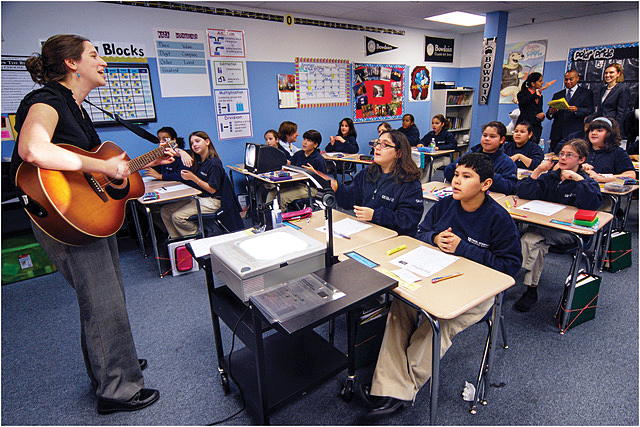
New studies show a Greater Boston population becoming more racially diverse, but also more disconnected by income, and by shifting educational choices following the Covid-19 pandemic. As multiple figures show, the “big sort” declared more than twenty years ago is diverging into new patterns, whether in high-income suburbs or in Boston schools.
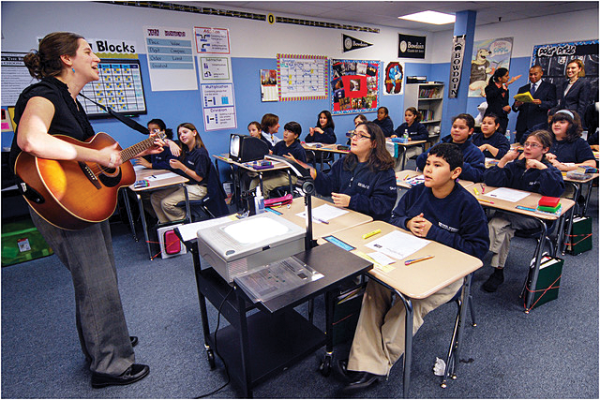
New studies show a Greater Boston population becoming more racially diverse, but also more disconnected by income, and by shifting educational choices following the Covid-19 pandemic. As multiple figures show, the “big sort” declared more than twenty years ago is diverging into new patterns, whether in high-income suburbs or in Boston schools.
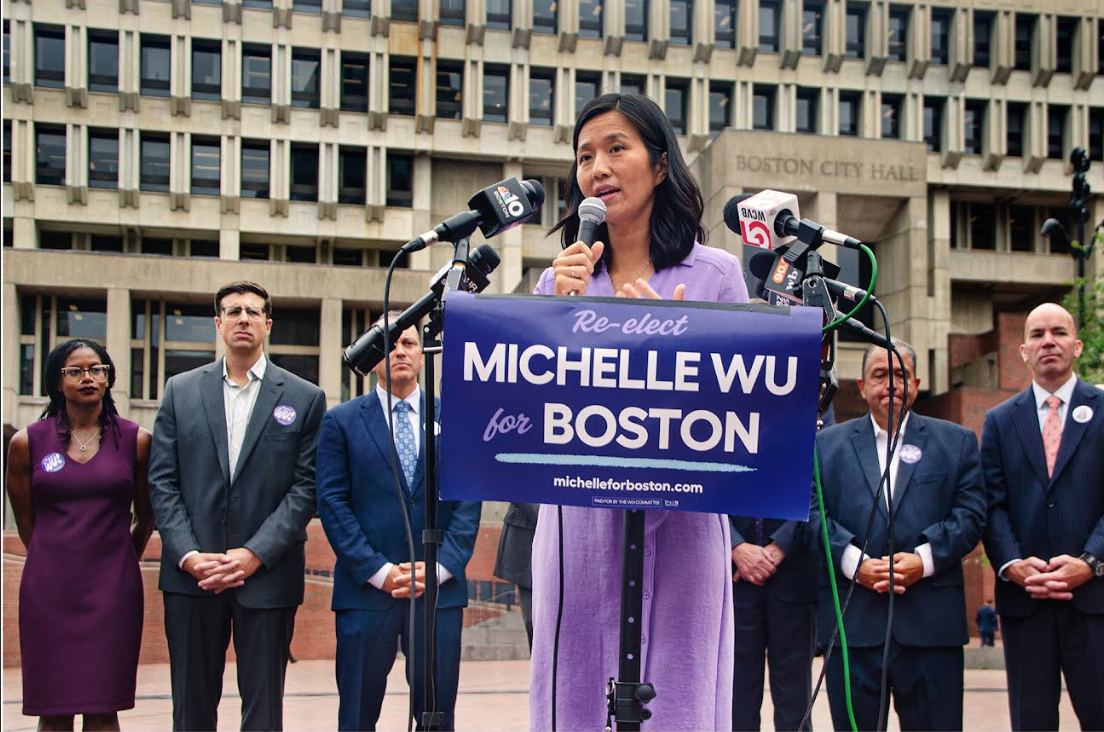
Total numbers from Boston’s Sept. 9 preliminary election reaffirm the time-tested advantage for an incumbent mayor, but a closer look at vote counts and campaign funding gives rise to a less familiar story.
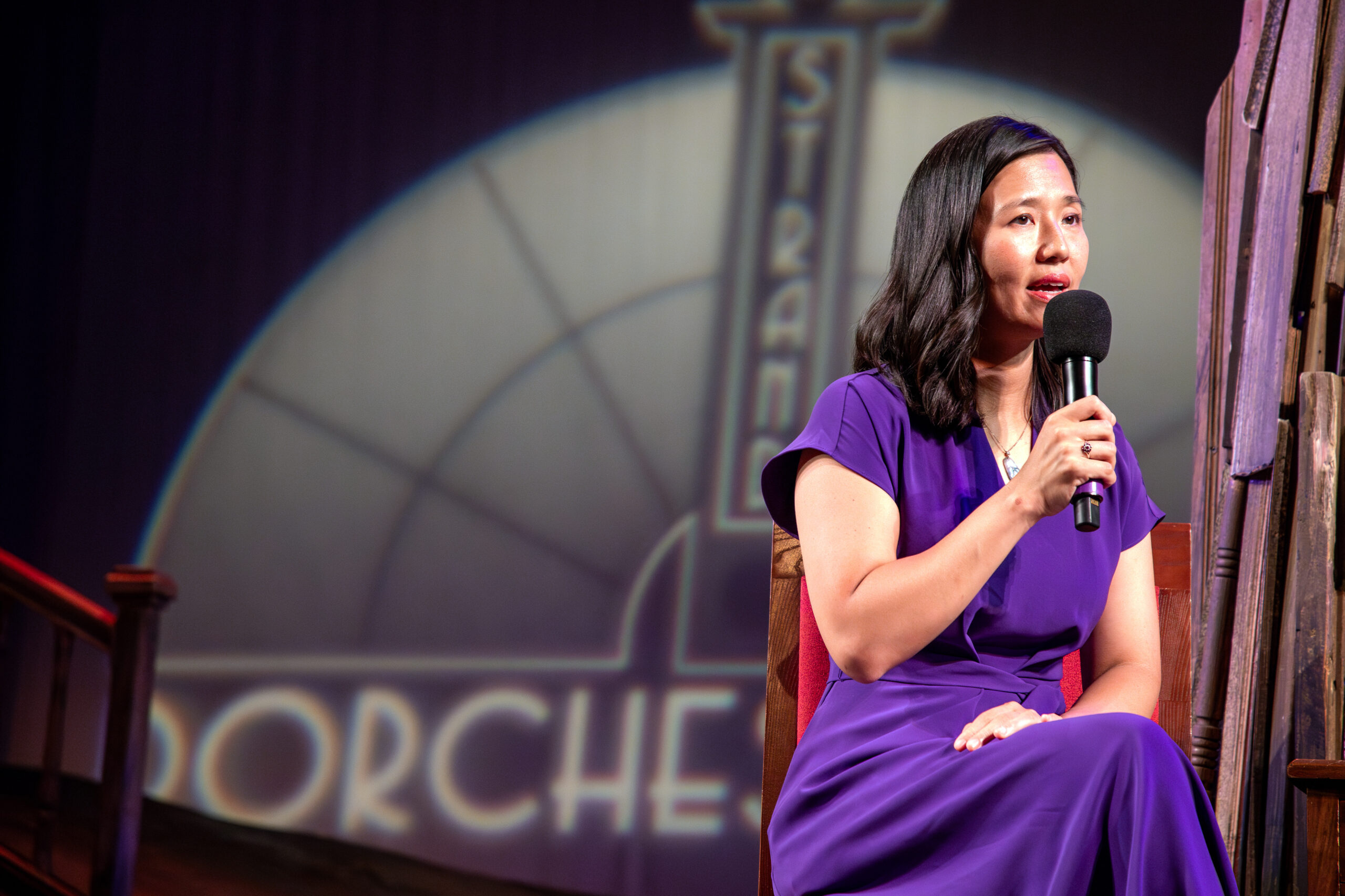
Eighteen years ago, Michelle Wu, a Chicago native and recent Harvard graduate with a degree in Economics, was working in the private sector for a consulting firm when a family crisis changed the course of her life, calling her home to Illinois, then back to Boston, this time with a new sense of mission.
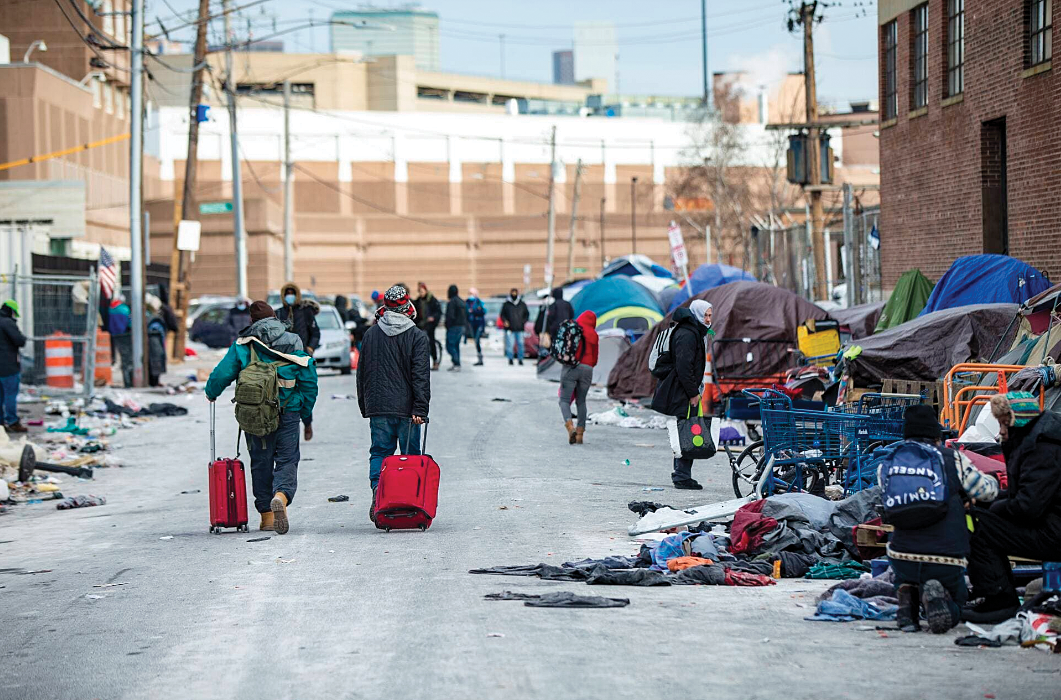
More than ten years after the closing of the Long Island Bridge, and twenty years into a national opioid crisis, a top official in Boston has declared the city’s efforts to resolve the drug-use problem in its South End neighborhood a failure.
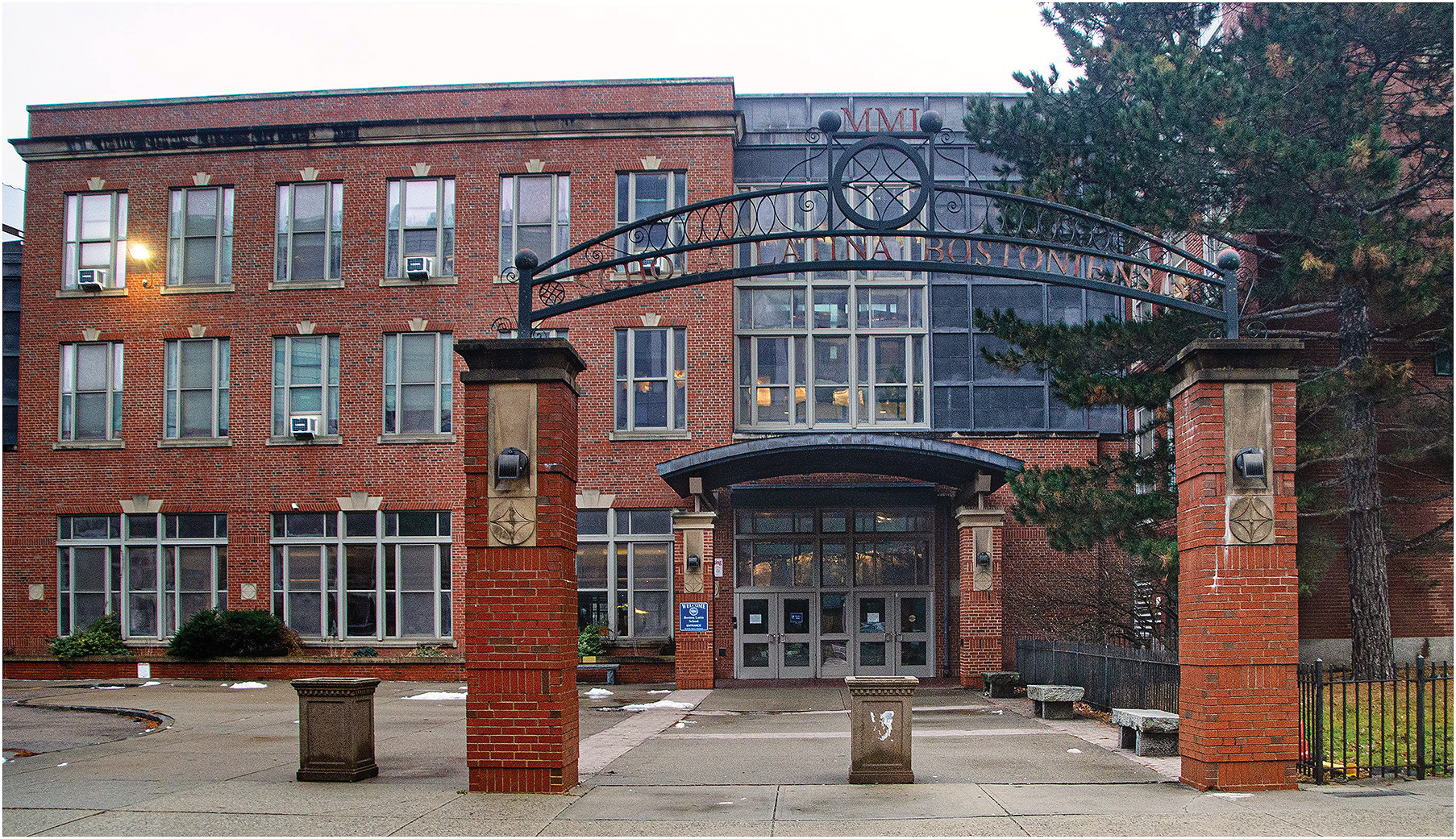
As officials consider new adjustments to the admissions policy for Boston’s three exam schools, they run the risk of a new challenge from the Trump administration not only to current practice, but also to a long history of combining academic rigor with opportunity for less advantaged students.
Mayor Wu and the Boston City Council clinched a budget agreement for FY 2026 with a June 9 signing event highlighting restraint, responsiveness, and efficiency.
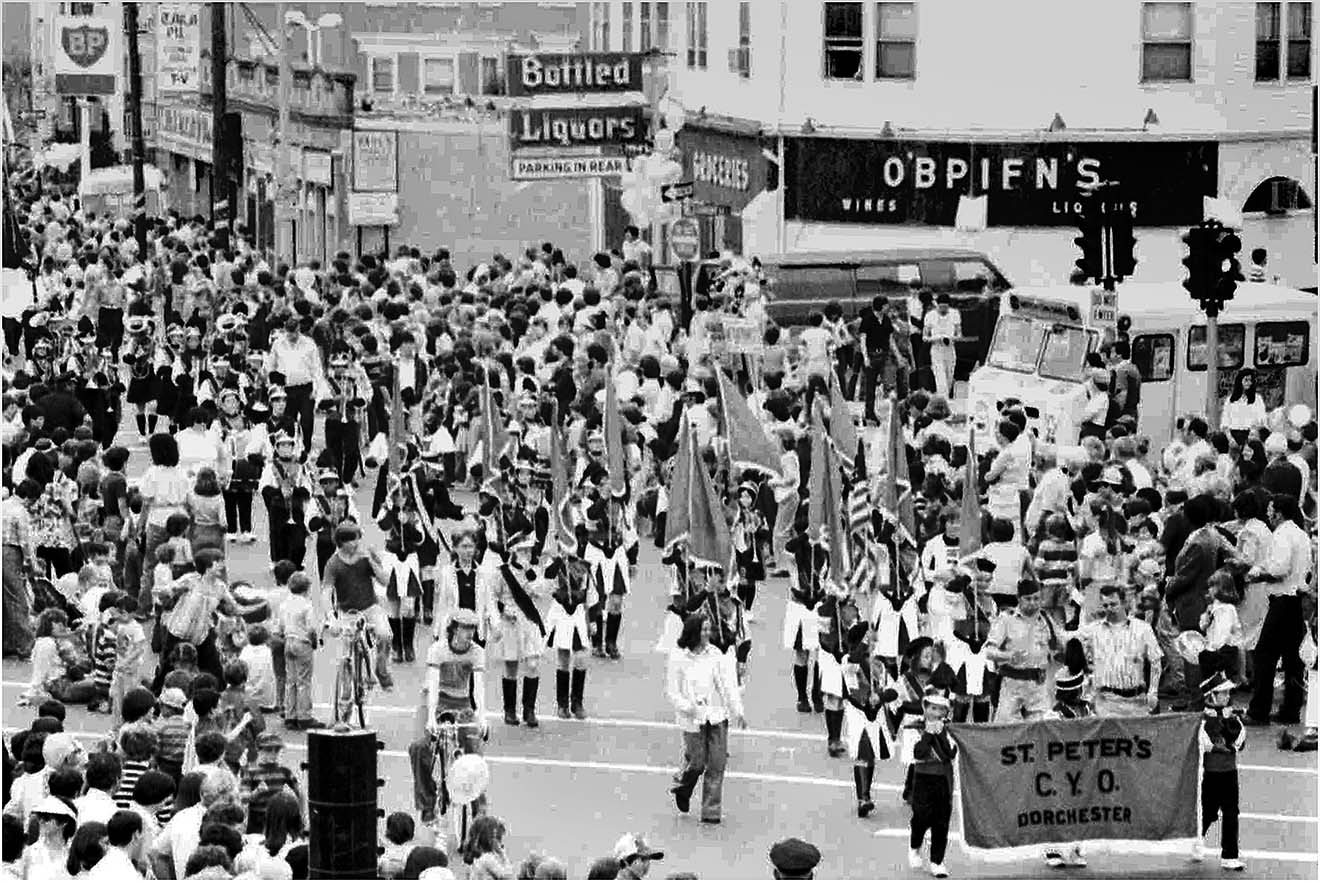
The first observance of Dorchester Day, in June of 1904, took place under a tent on Savin Hill. A celebration of local history and pride, it was also meant to protect an urban wild with a panoramic view from a frenzy of new development.
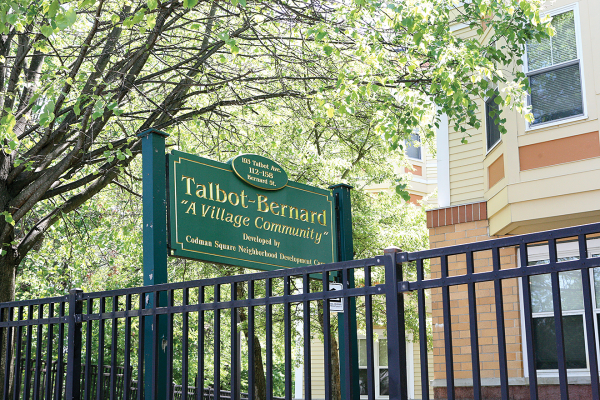
Three months after Donald Trump began his second term as president, change was being felt at the Talbot-Bernard senior housing development in Dorchester. It was just one more spot in a flooded zone of funding and policy shifts under the new administration, many of them aimed at programs and services provided by community-based organizations (CBOs) around the country.
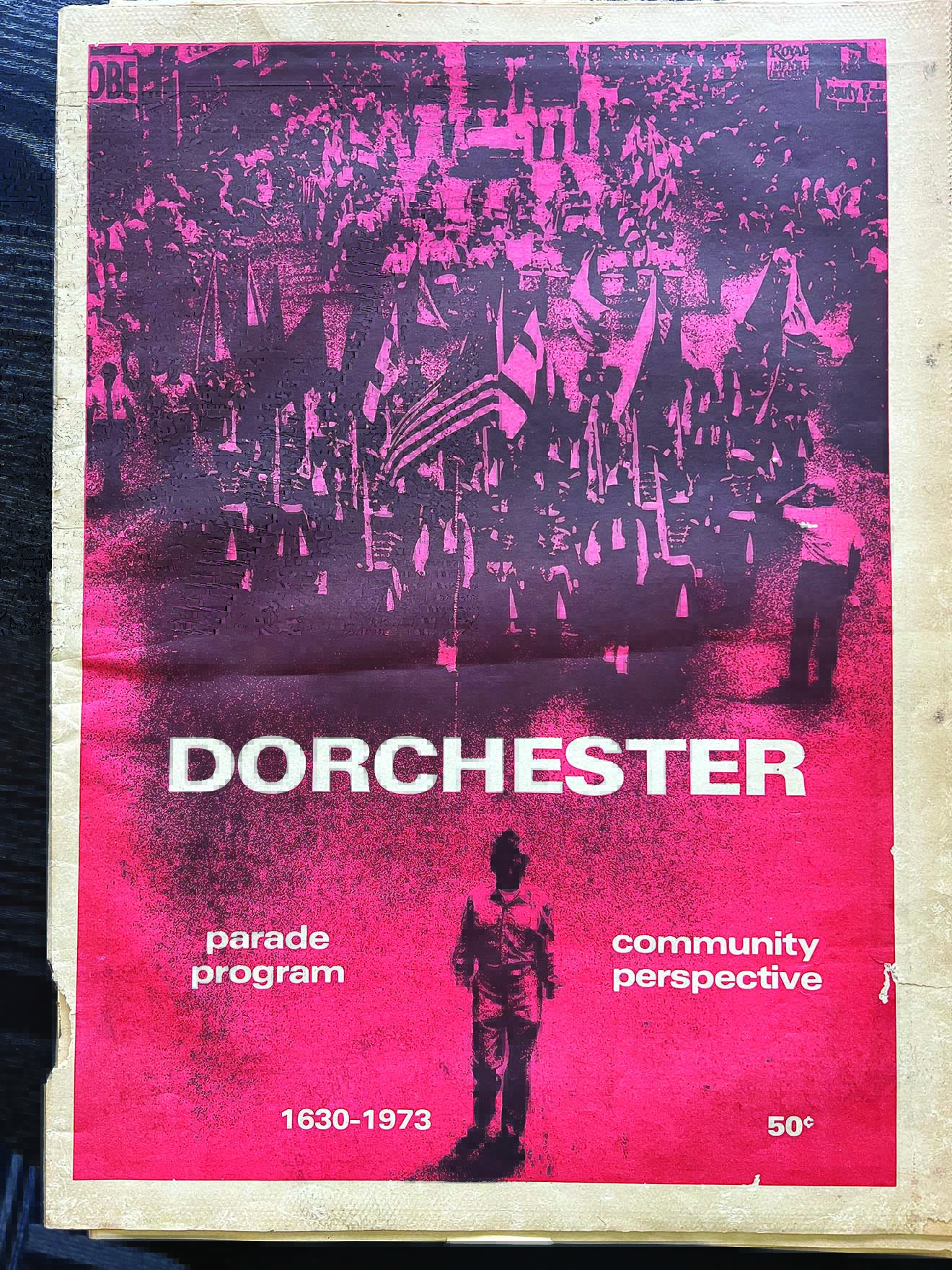
You can never know Dorchester well enough, especially on deadline.
Ed Forry learned that lesson again, on his tenth time as publisher and editor of the Dorchester Day supplement to the weekly Dorchester Argus-Citizen.